AI Baby Generator From Parents Photos: How It Works
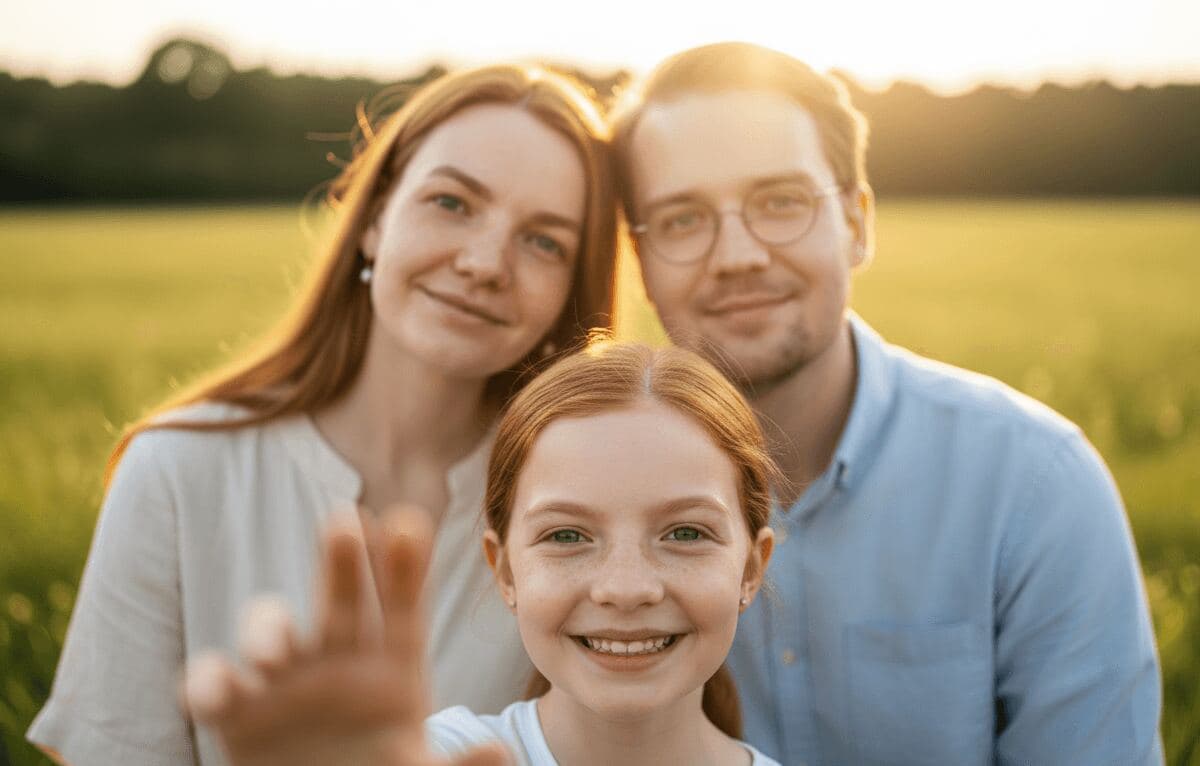
An AI baby generator from parents' photos does not work like a face merge. The stronger systems do something more useful: they analyze visible facial traits from both parents, then build a believable visual simulation of how a future child could look.
That distinction matters. People do not want a random baby image with two vaguely familiar features. They want a portrait that feels grounded in both parents, looks emotionally believable, and still reads as a premium photograph.
What the system actually uses from parent photos
The model needs usable facial information from both parents. In practice, that means:
- face shape
- eye region
- brow structure
- nose and mouth proportions
- skin tone and overall visual balance
The better the photos, the easier it is for the system to create a result that feels connected to both parents.
What it is not
An AI baby generator is not a medical tool and it is not a literal prediction of a real child.
The result should be understood as:
- a visual interpretation
- grounded in both parents' visible features
- shaped by plausible inheritance patterns
- designed for realism and emotional plausibility
That is the honest and useful way to frame the product.
What improves realism the most
The best future baby portraits usually come from:
- clear photos of both parents
- current photos rather than outdated ones
- readable facial detail
- soft lighting
- minimal filters and minimal obstruction
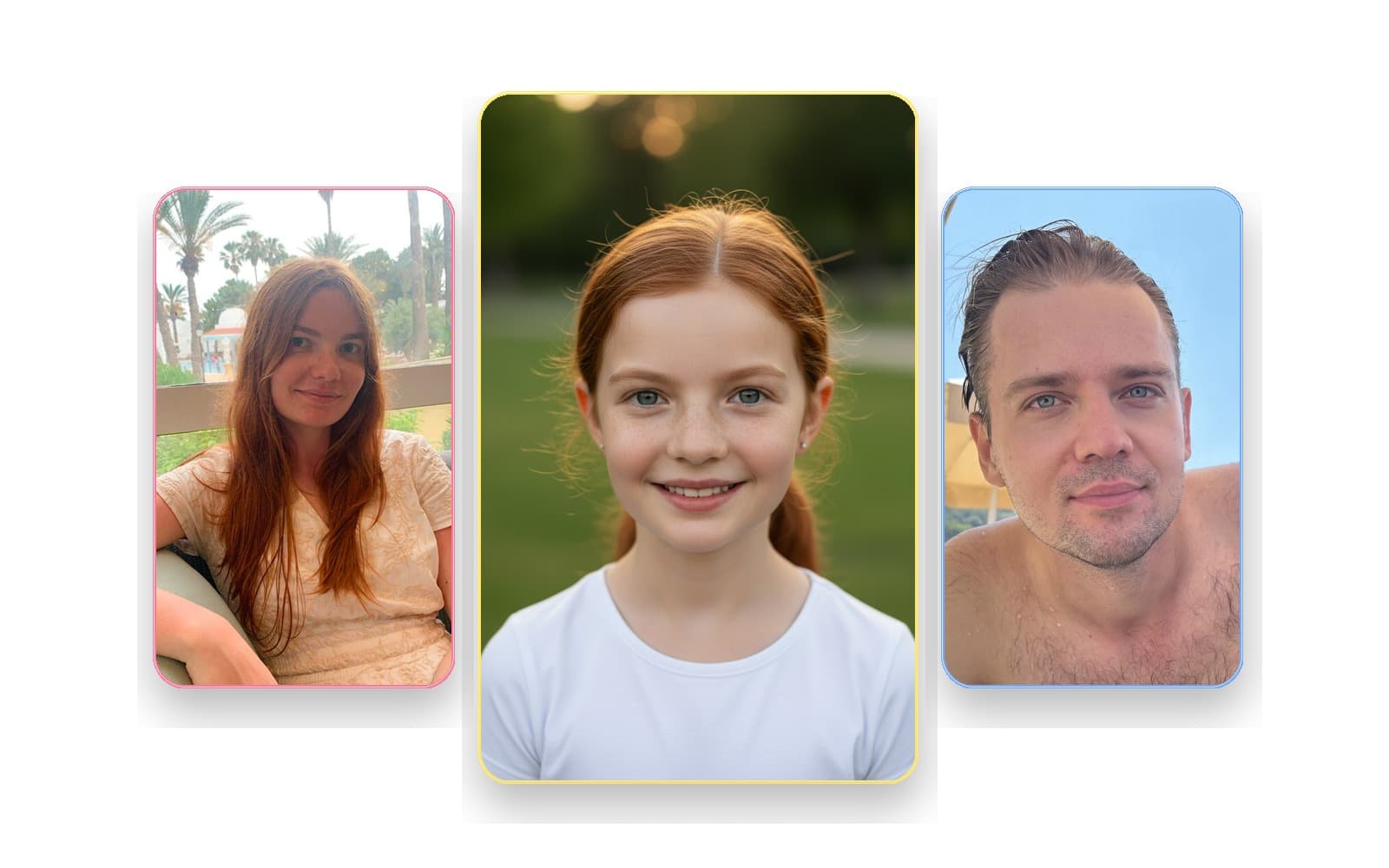
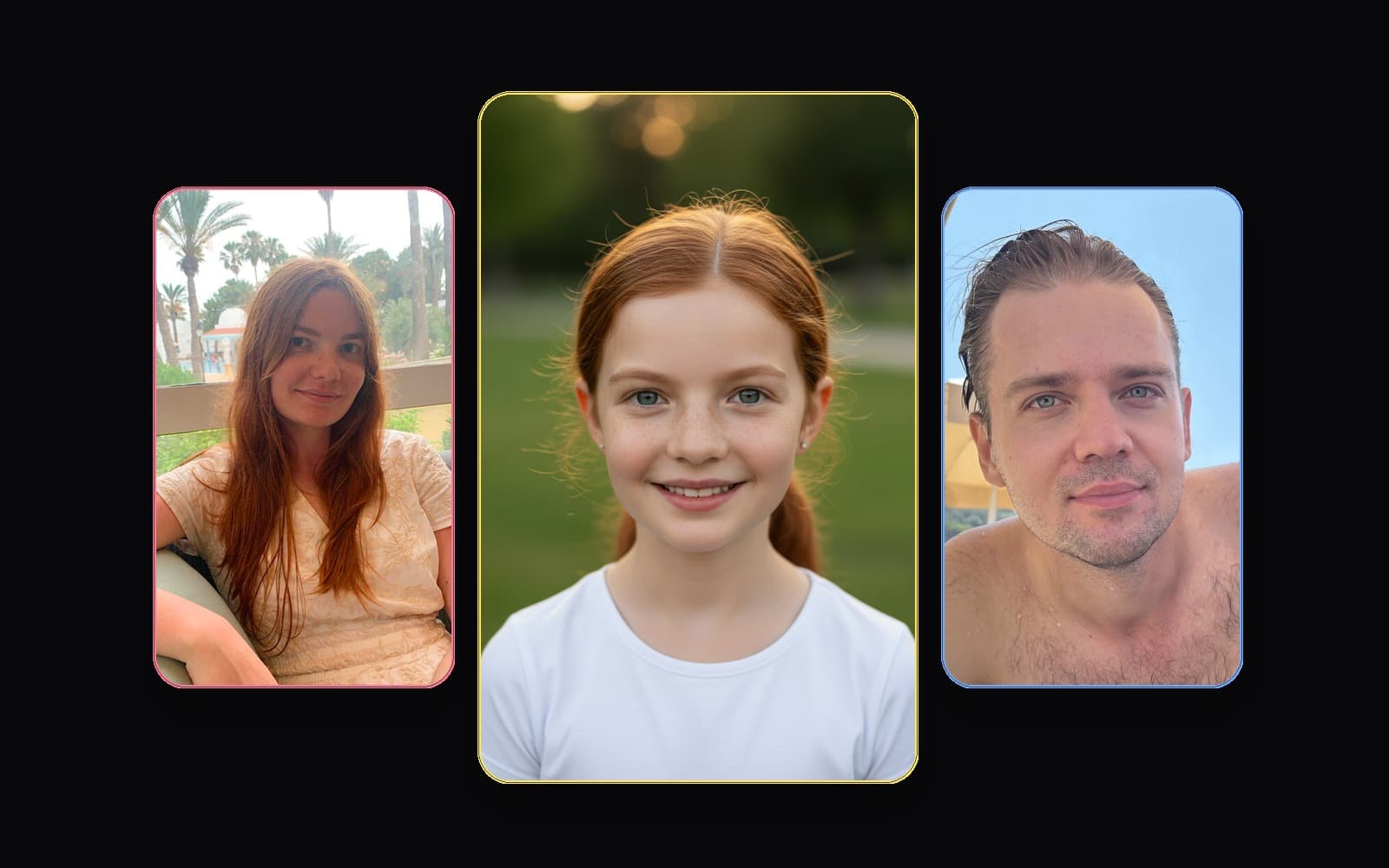
If one parent's photo is dramatically worse than the other's, the result often becomes less balanced.
Why generic baby generators often feel weak
Many generic tools fail in one of two ways:
- the output feels too random and not connected enough to the parents
- the output feels too artificial, like a stock baby face with some borrowed features
The better approach is to treat realism and visual plausibility as the main goal, not novelty.
What to expect from a good result
A good future baby portrait should:
- feel soft and natural
- reflect both parents in some visible way
- avoid obvious visual artifacts
- look like a premium portrait first, not a gimmick
The best results feel emotionally believable even when you know they are simulations.
How to get better outputs
Start with better inputs:
- use clear parent photos
- avoid sunglasses and heavy filters
- use photos where the full face is readable
- avoid dark or blurry images
Then keep expectations realistic:
- you are not looking for genetic certainty
- you are looking for a believable portrait based on both parents
Final recommendation
If you want a future baby portrait that feels worth saving, the most important factors are clean parent photos, realistic expectations, and a tool that is designed for believable visual interpretation rather than generic baby templates.
FAQ
Does an AI baby generator predict what my real child will look like?
No. It creates a visual simulation based on parental features and plausible inheritance patterns. It is not a genetic or medical prediction.
Do I need both parents' photos?
Yes. Results are strongest when the system can clearly analyze both parents.
What kind of photos work best?
Recent, sharp, well-lit photos with open faces and minimal filters.
Why do some baby generator results look generic?
Usually because the tool is weak, the inputs are poor, or the output is optimized for speed or novelty rather than believable realism.