Best AI photo results for couples & babies 2026
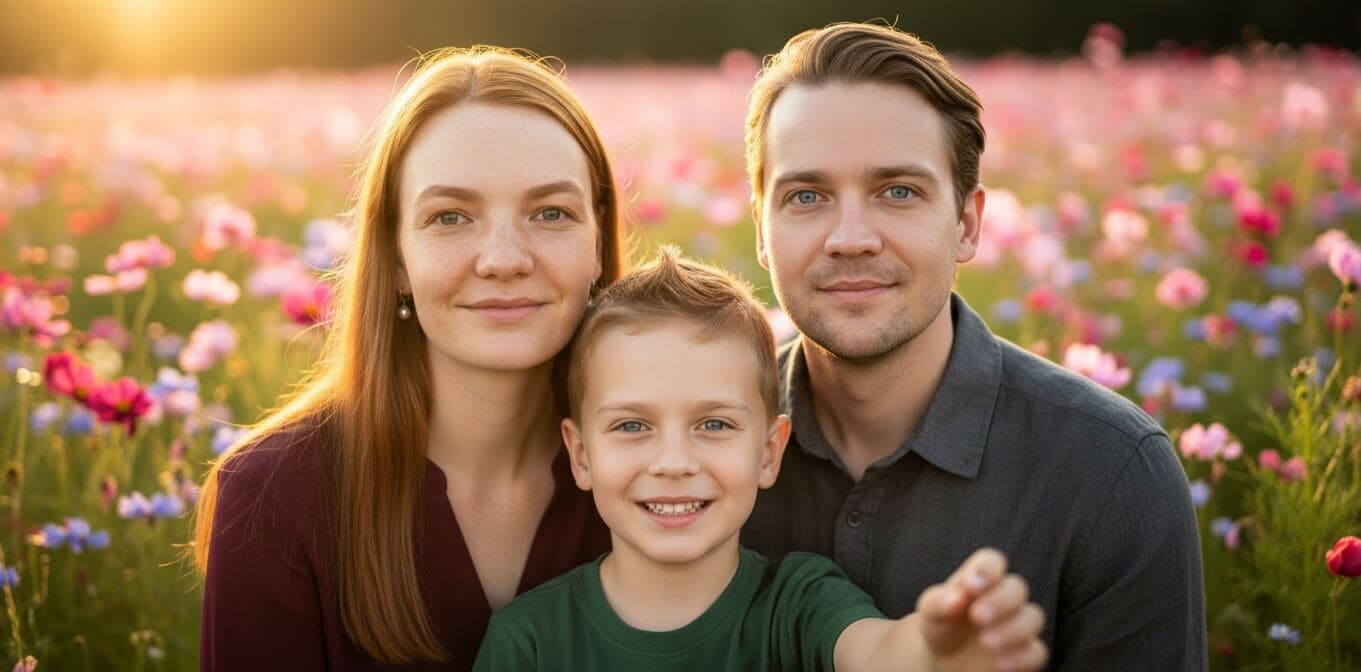
The best AI photo results are not just sharp or attractive. They feel convincing. In couple photos, that usually means strong resemblance, natural chemistry, flattering composition, and a scene that feels like a real photoshoot instead of a synthetic collage. In baby portraits, it means a result that feels grounded in both parents' features without pretending to be a literal prediction of a real child.
That distinction matters because most AI image tools are built to generate an image, not your image. They can be visually impressive while still missing the details that make a photo feel personal. PairFuse is designed around a different standard: couple photos and future baby portraits that feel more intentional, more cohesive, and more like finished photography.
If you want better results, focus on three things first:
- choose better source photos
- choose styles that make realism easier, not harder
- use a tool optimized for resemblance, composition, and scene direction
If you want to try it now:
What the best AI photo results have in common
The strongest results usually share the same qualities:
- the faces are easy to recognize
- the lighting feels coherent across the whole image
- the pose feels natural instead of mechanically arranged
- the styling supports the subjects instead of overpowering them
- the output looks like a finished photograph, not a prompt experiment
For couple photos, the emotional read matters just as much as technical quality. A polished image still feels weak if the interaction is stiff or the two people do not seem to belong in the same scene. For baby portraits, the result needs soft realism and visual plausibility. It should feel emotionally credible, not cartoonish or randomly blended.
That is why the best results usually come from specialized workflows instead of generic AI art tools. The underlying model matters, but the scene logic matters too. Style, framing, outfit logic, lighting direction, and facial consistency all shape whether an image feels polished or forgettable.
What improves couple results the most
For AI couple photos, the biggest gains usually come from better inputs and better scene selection, not from writing longer prompts.
1. Clear source photos with visible faces
The easiest way to lose resemblance is to upload bad source photos. The system works best when faces are open, readable, and well lit.
Best practice:
- use recent photos
- keep faces unobstructed
- avoid sunglasses and heavy headwear
- avoid strong filters and beauty edits
- prefer natural expressions over exaggerated grimaces
- use sharp images rather than soft, noisy, or distant ones
You can upload photos with multiple people if the target faces are still easy to identify. But if the face is tiny, turned away, or partly blocked, realism drops quickly.
2. Styles that naturally support realism
Some concepts are simply easier to make believable than others. Clean studio sessions, golden-hour portraits, wedding-editorial scenes, and softly romantic indoor looks usually produce better results than highly chaotic or gimmicky concepts.
These styles already exist in your PairFuse asset library:
- studio: clean, elegant, resemblance-first
- golden hour: flattering light and emotional warmth
- wedding: premium editorial framing
- winter and valentine: emotionally rich but still visually controlled
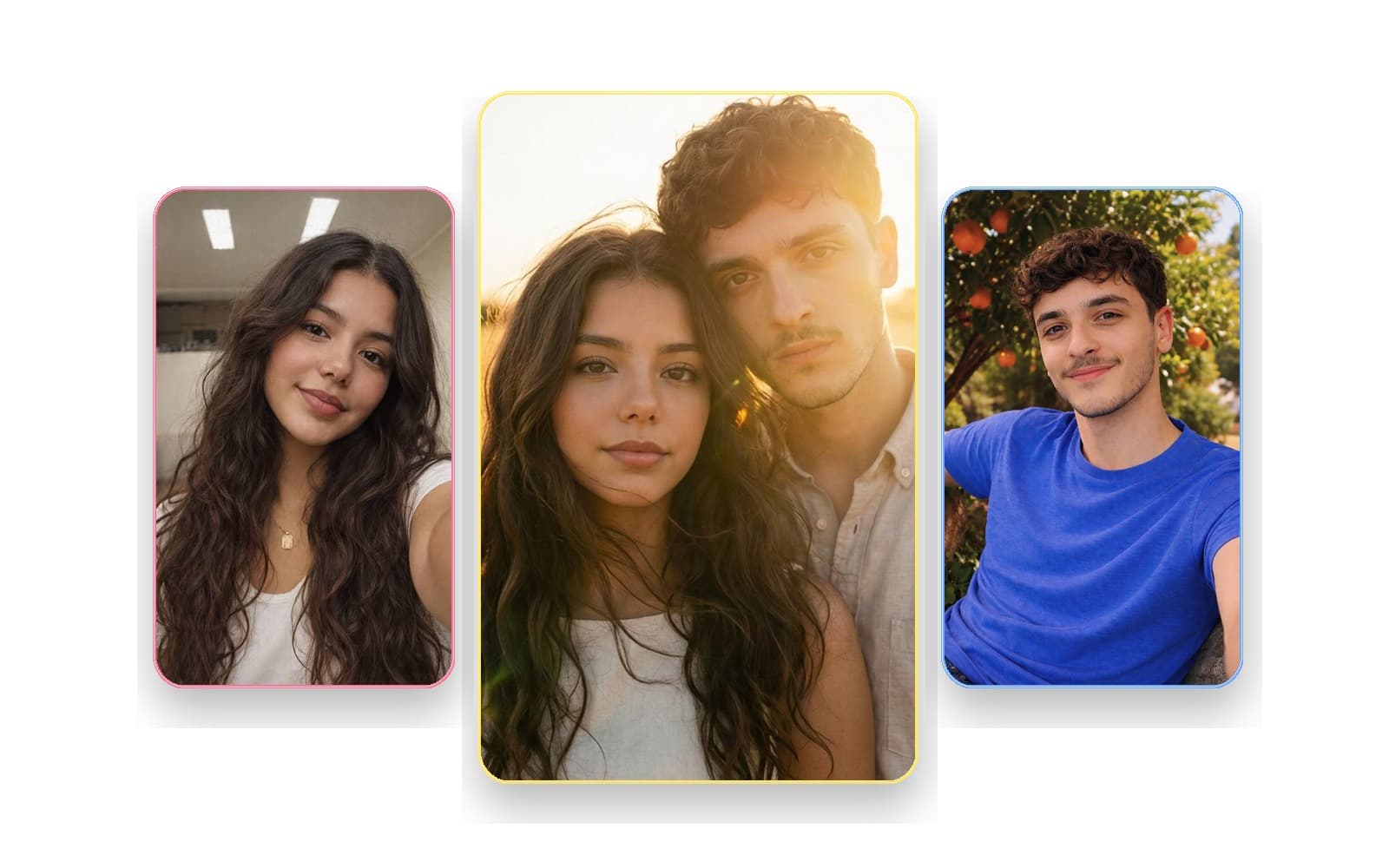
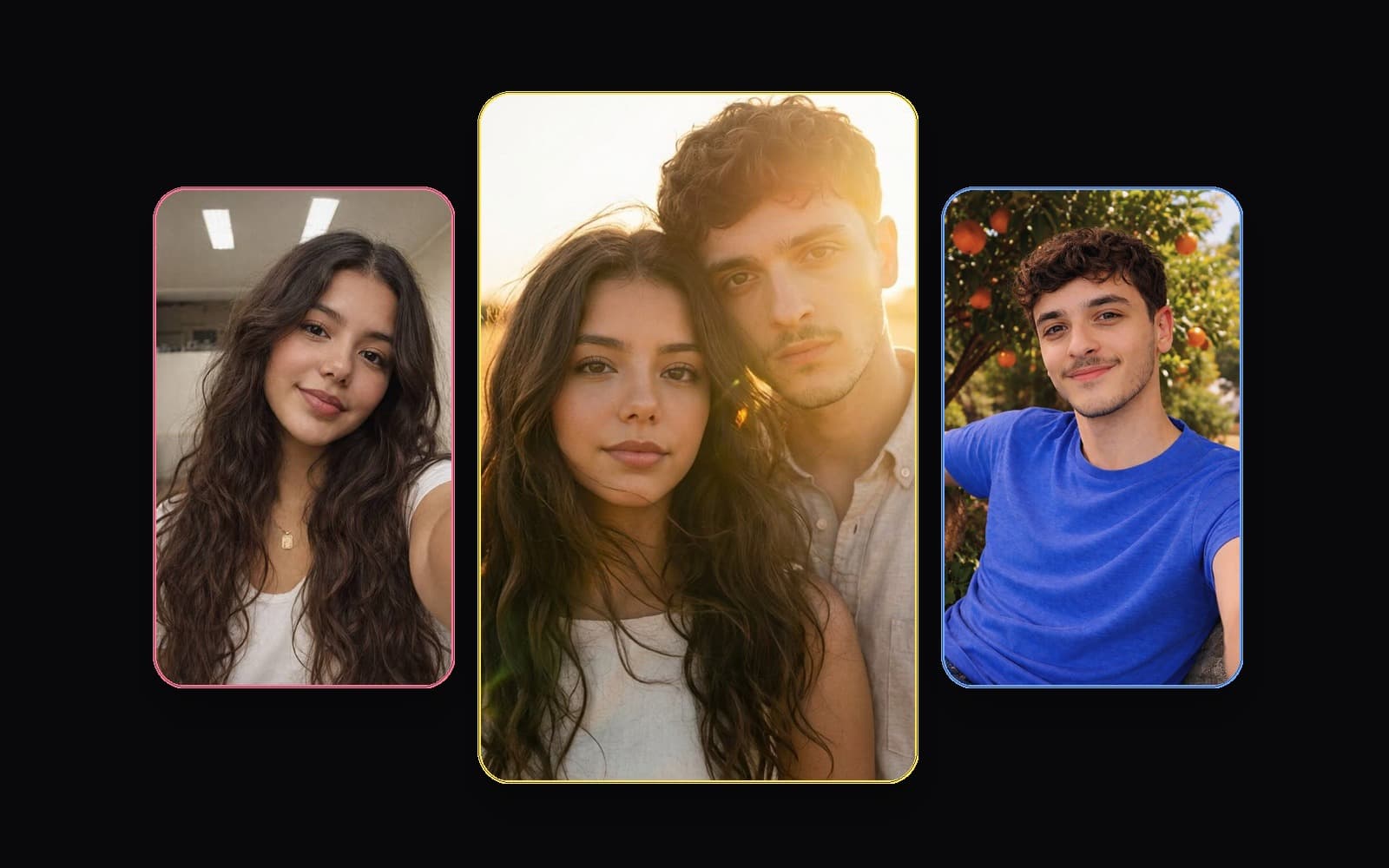
3. A system built for pair composition
The difference between a generic AI image and a convincing couple photo is rarely one isolated facial detail. It is the full image logic. Do the subjects feel like they were photographed together? Do body angles make sense? Does the scene feel curated instead of stitched?
PairFuse is built for that exact use case. The goal is not only a beautiful image, but a couple photo that feels cohesive and premium enough to save, share, or print.
What improves baby results the most
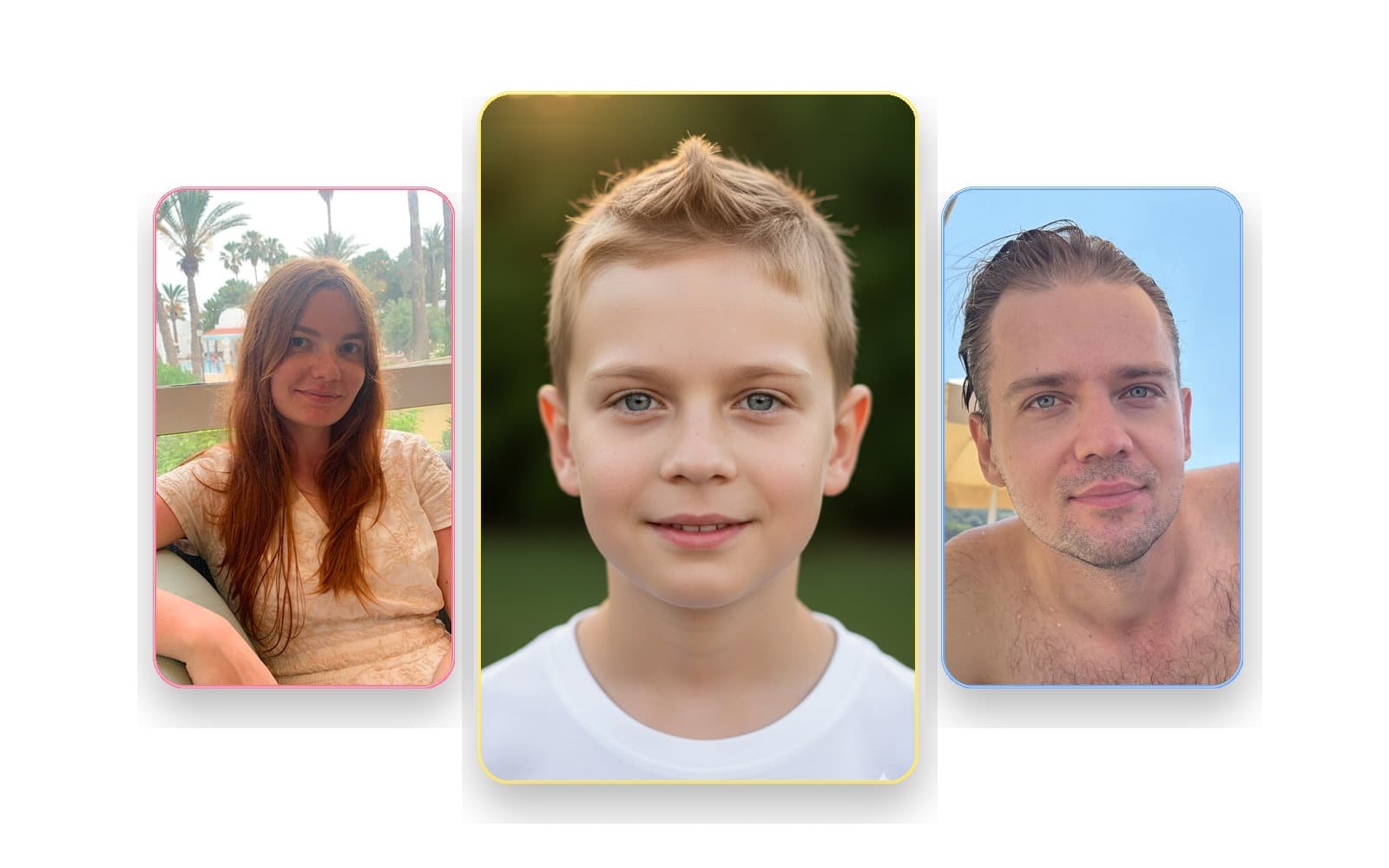
The best future baby portraits are driven by a different kind of expectation. People do not want medical certainty. They want a believable, emotionally resonant visual interpretation based on both parents.
That means the right standard is:
- visible influence from both parents
- soft, realistic rendering
- natural proportions
- consistency in skin tone, eyes, and facial structure
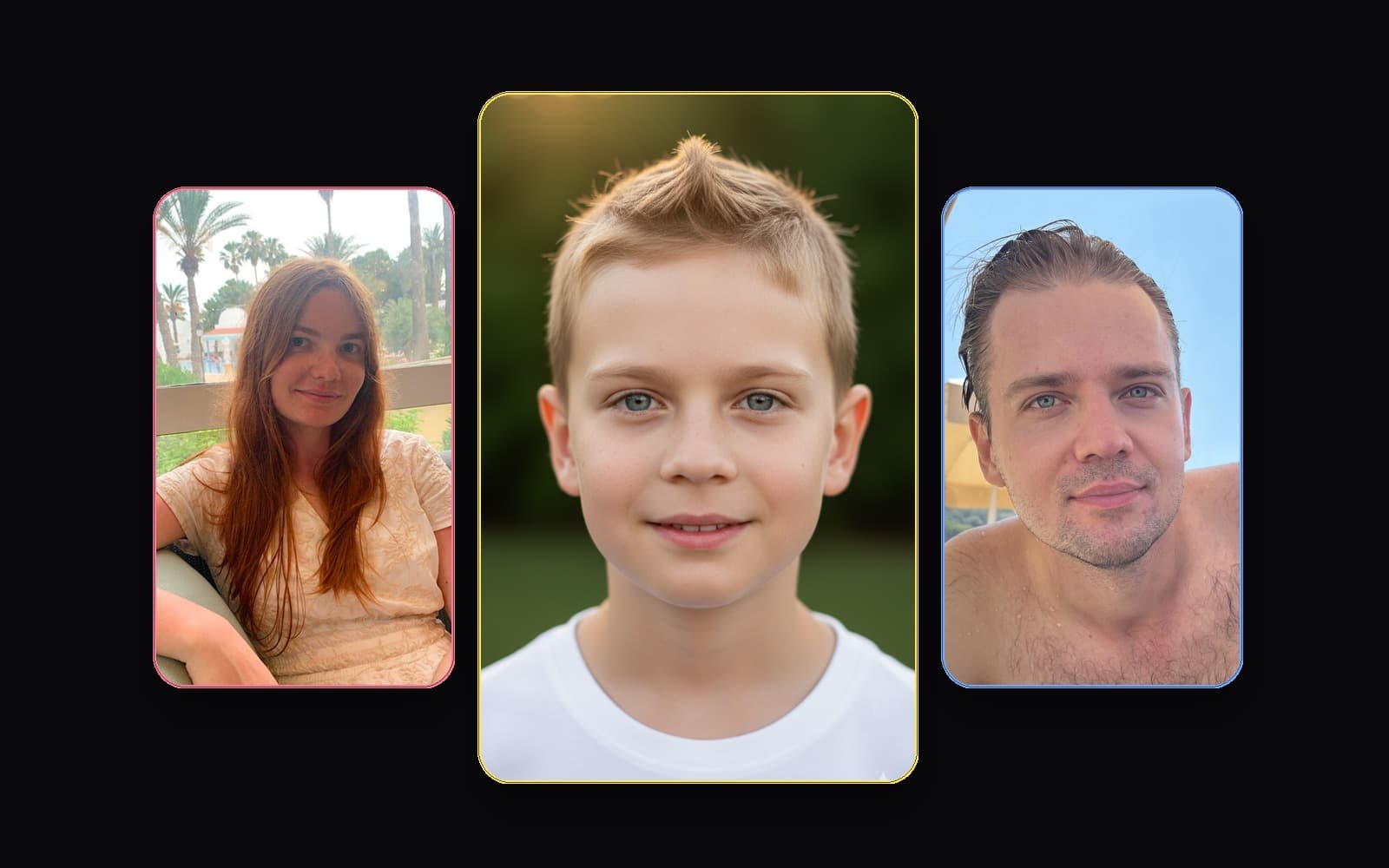
What PairFuse does well here
PairFuse analyzes both parents' faces deeply and builds a visual simulation around plausible inheritance patterns. The result is not a genetic prediction and should never be framed that way. It is a premium-quality portrait of how your future baby could look, grounded in the visible traits of both parents.
What helps baby results most
- upload clear photos of both parents
- avoid harsh shadows and heavy filters
- use photos that reflect current appearance
- prefer open faces and normal expressions
- give the model enough usable facial detail from both sides
When those conditions are met, baby portraits tend to feel more balanced and believable.
The source photo rules that matter most
If you only remember one section from this article, make it this one.
For couple photos
- use well-lit selfies or portraits
- keep the face large enough in frame
- avoid glasses that hide the eyes
- avoid overly edited photos
- use a few photos with slightly different angles if the workflow supports it
For baby portraits
- make sure both parents are equally readable
- avoid using one strong photo and one very poor photo
- do not rely on low-resolution screenshots
- avoid photos taken years apart if appearance changed significantly
For both products
- natural light is usually safer than dramatic light
- neutral, relaxed expressions outperform extreme poses
- sharpness matters more than a “cool” background
Styles that usually produce the strongest outputs
If your goal is stronger results, start with styles that make composition easier.
Best couple styles for realism
- Studio
- Golden hour
- Wedding editorial
- Winter romance
- Valentine flash, if kept elegant rather than chaotic
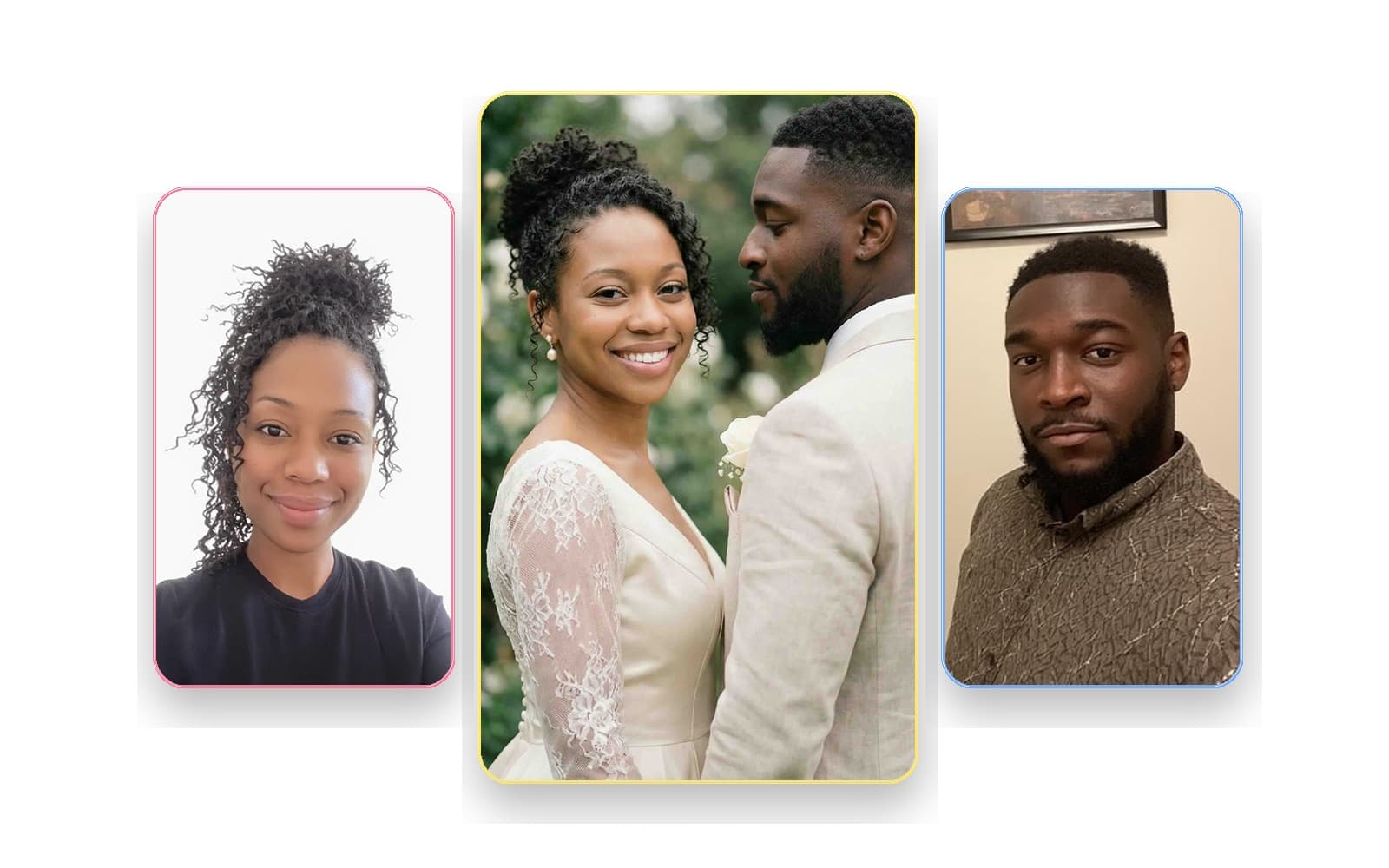
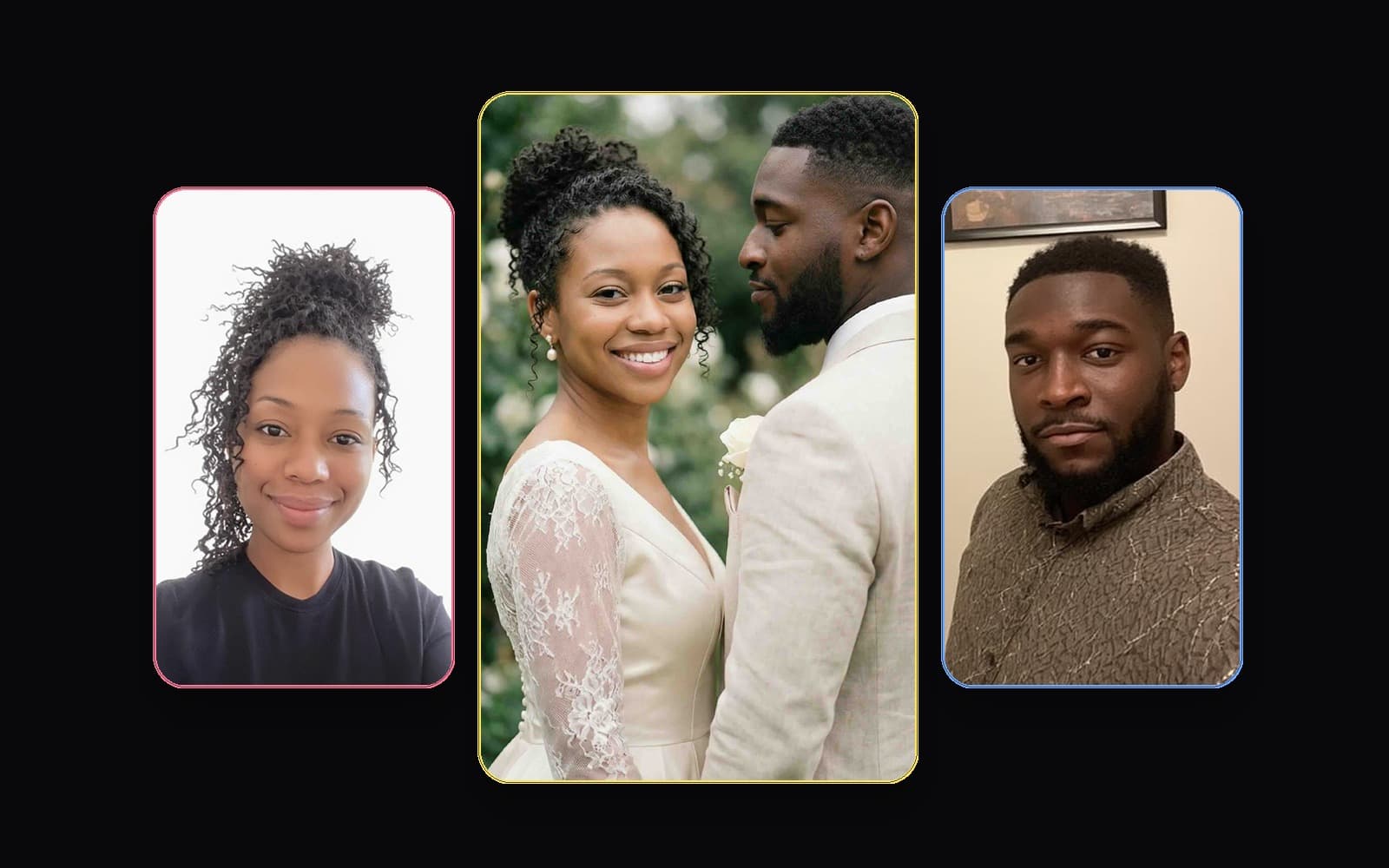
These work because they give the scene a clear visual structure. The model does not need to improvise as much, so it can spend more of its effort preserving likeness and making the image feel coherent.
Best baby aesthetic
For baby results, subtlety wins. Clean portrait direction and soft, believable rendering outperform novelty aesthetics almost every time.
If the image looks like a premium portrait first and an AI experiment second, you are moving in the right direction.
What usually ruins otherwise good results
Most weak outputs fail for predictable reasons:
- source photos are blurry or badly lit
- faces are partially hidden
- style choice is too chaotic
- one person's source images are much stronger than the other's
- the tool prioritizes aesthetics over resemblance
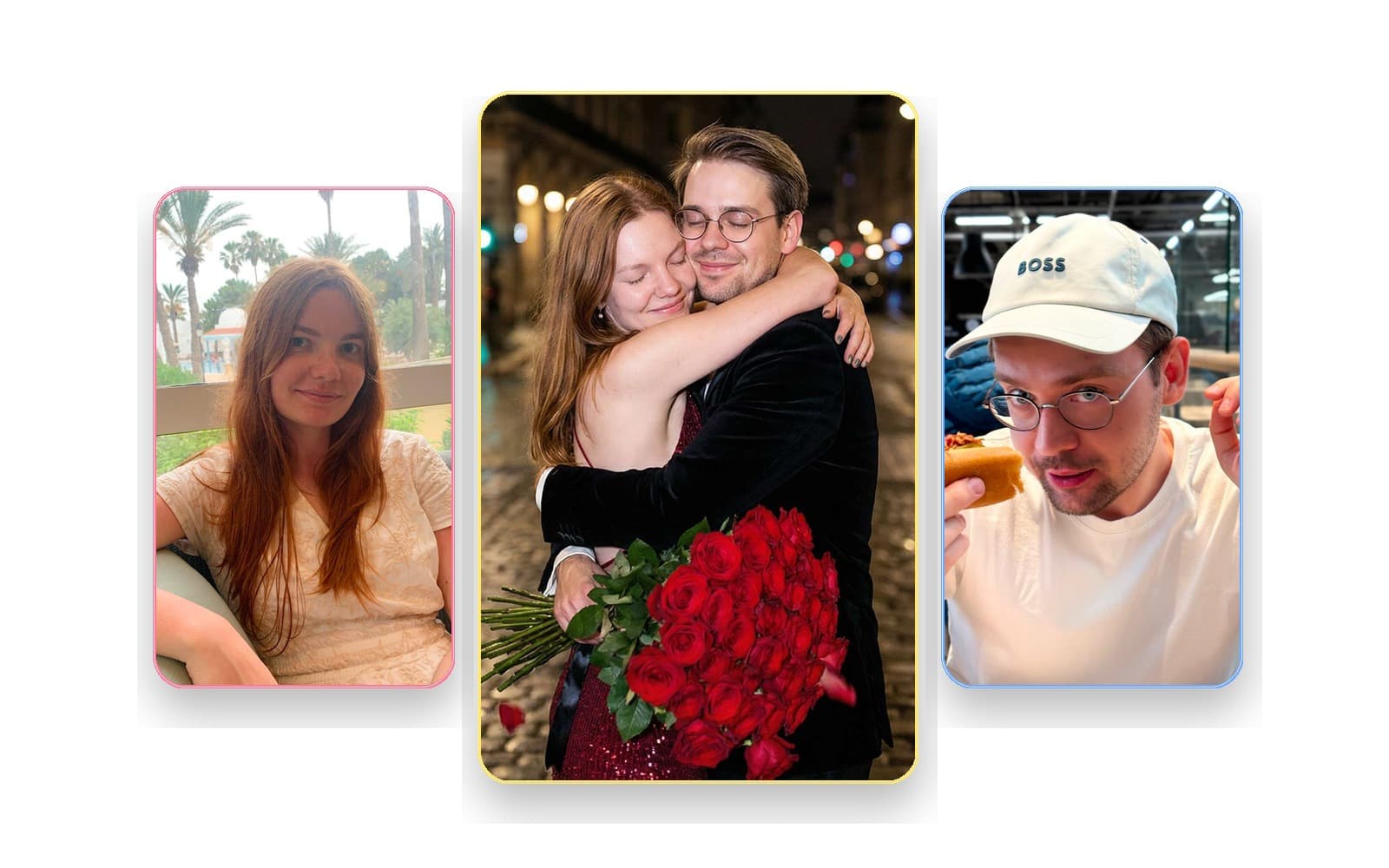
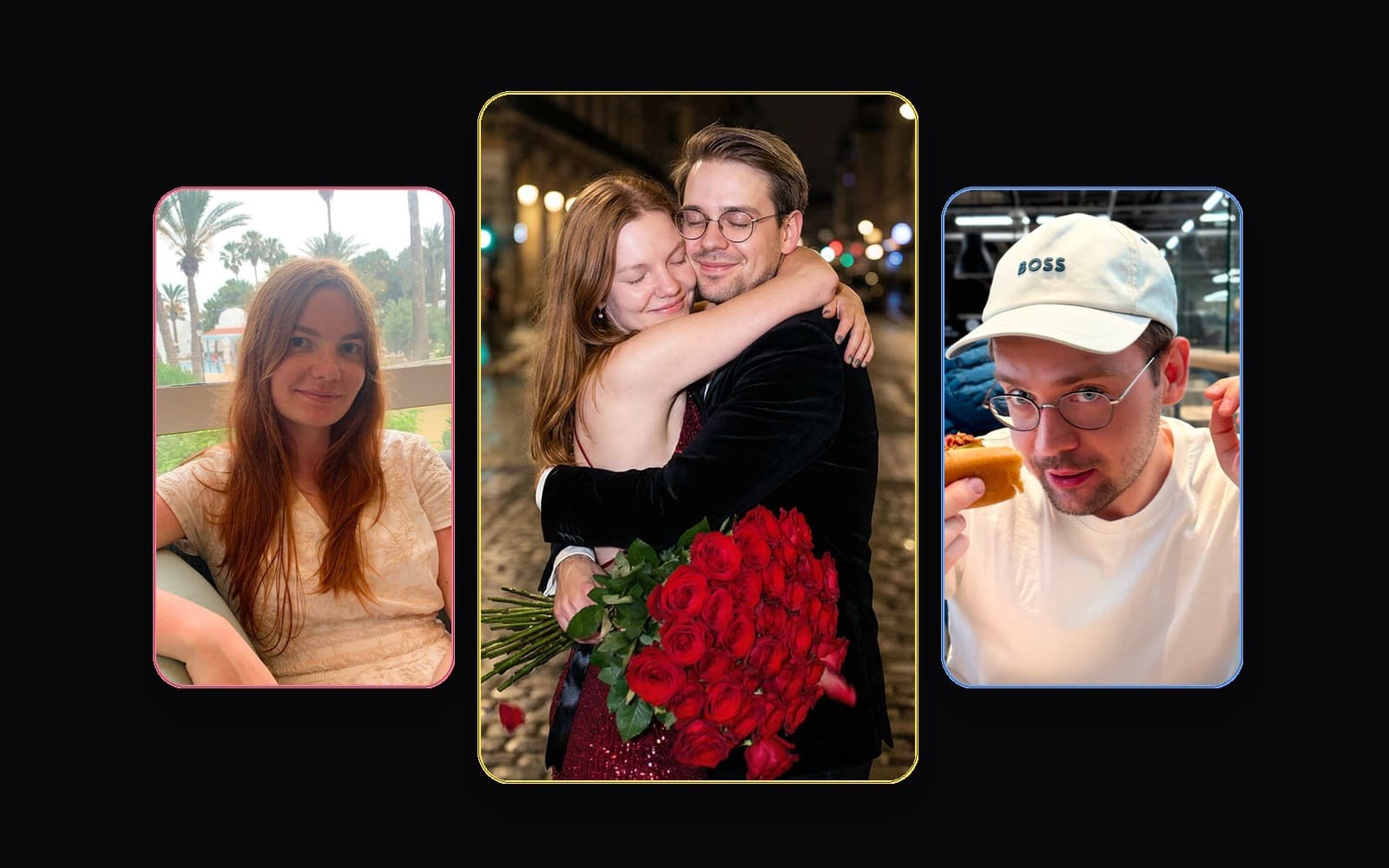
The most common misunderstanding is thinking the model alone determines quality. In reality, quality comes from the interaction of three layers:
- the source photos
- the scene and style system
- the generation pipeline itself
If one of those layers is weak, the final result usually feels weak too.
Which PairFuse tool should you use?
Use the couple workflow if you want:
- romantic portraits
- wedding-style visuals
- long-distance couple photos from separate selfies
- polished gift-worthy relationship imagery
Use the baby workflow if you want:
- future baby visualizations based on both parents
- emotionally grounded baby portraits
- a premium “what could our baby look like?” experience
If you are exploring both, start with the outcome you care about most. The couple product is the stronger fit for premium portrait intent. The baby product is the stronger fit for curiosity and future-family imagination.
Final recommendation
If your goal is the best AI photo result, do not optimize for novelty. Optimize for believability.
Choose better source photos. Choose styles that support realism. Choose a tool that is built for resemblance, composition, and premium visual direction rather than generic AI output.
That is the difference between “an AI image” and a result that actually feels finished.
FAQ
How many photos should I upload for the best AI photo results?
Use enough photos to make the subject easy to understand from multiple angles, especially if the workflow allows more than one source image. Clear, recent, well-lit photos usually matter more than quantity alone.
Why do some AI-generated photos look fake or generic?
Usually because the inputs are weak, the scene is too chaotic, or the tool is optimized for visual style rather than resemblance and composition. Generic AI tools often make attractive images that still do not feel personal.
Can AI baby photos look realistic?
Yes, they can look realistic and emotionally believable. But they should be understood as visual simulations based on parental features and plausible inheritance patterns, not exact predictions of a real child.
What kind of source photos improve resemblance the most?
Clear, recent photos with open faces, good lighting, natural expressions, and minimal obstruction tend to produce the strongest results. Avoid dark, blurry, distant, or heavily edited images whenever possible.